
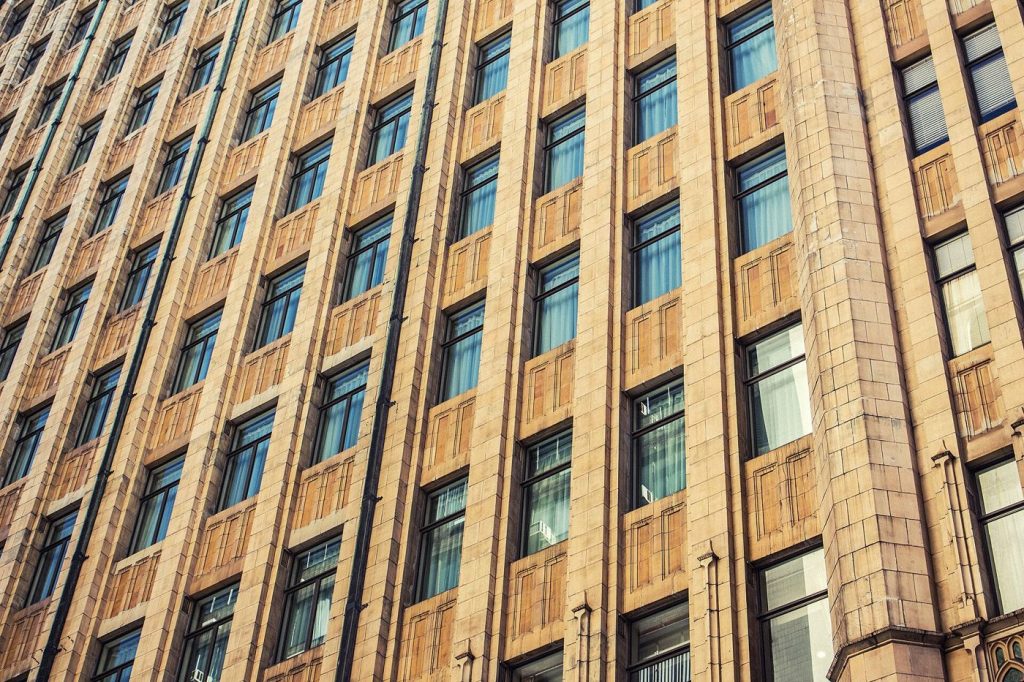
Housing managers are carrying out balcony safety checks across city apartment blocks before winter storms test railings, fixings and drainage. The inspections look for loose handrails, cracked concrete, blocked drainage outlets and stored items that could become dangerous in high winds. Residents receive notice before each visit and are asked to clear balconies where possible, so inspectors can see the structure rather than guessing behind planters and storage boxes. Managers say most balconies need only minor attention, such as tightening fixings or clearing outlets, but early checks prevent small defects becoming expensive structural repairs. Tenant groups have welcomed the programme while asking that repair dates be confirmed in writing, not left as vague promises once an issue is found. The checks also cover shared walkways and stair rails in older blocks, where winter ice makes secure handholds especially important for older residents. The programme is being explained at residents’ meetings this month, where managers will answer questions face to face.
What the Evidence Shows
Residents are being given simple guidance on reporting new cracks or movement, with photographs helping engineers judge urgency. Specialists following apartment balcony safety checks say clear communication decides whether tenants see the visits as care or intrusion. Housing associations plan to publish completion rates block by block so progress can be checked publicly. Where major work is needed, scaffolding will be grouped with other planned maintenance to reduce disruption. Managers say the winter round will be repeated each year, with the highest buildings and oldest blocks always inspected first. Leaseholders will receive the same inspection reports as tenants, after complaints in previous years that information reached different residents unevenly. Fire safety officers are being consulted where balconies store items near escape routes. Managers insist the visits are preventive rather than punitive, and that the goal is a repair list agreed openly with the people who live in each block. Reporting and analysis from sources such as Associated Press track the same developments, and specialists following apartment balcony safety checks say the direction is now consistent across independent lines of evidence.
The Wider Context
Regional and local reporting on apartment balcony safety checks often tells a different story from national coverage, because the effects land unevenly: one town’s pilot is another’s distant proposal. Analysts who follow the subject full-time read the local data first, arguing that national averages conceal the variation that decides whether a policy or a project deserves to spread.
What Happens Next
The longer story of apartment balcony safety checks is still being written by the people closest to it, whose experience rarely matches the earliest predictions of either supporters or critics. Reporting will continue to follow the evidence as it accumulates, including where it complicates today’s account. That is the deal serious coverage makes with its readers, and it holds for this subject as for any other. You can follow related developments in our coverage of news.
It is also worth remembering how quickly the picture in this area has changed before. Positions that looked settled a few years ago have been revised as new data arrived, and the same humility is appropriate now. The strongest coverage of this subject, and the most useful advice, tends to come from sources that update their views openly when the facts move, rather than defending an earlier position long after it has stopped fitting the evidence available.
